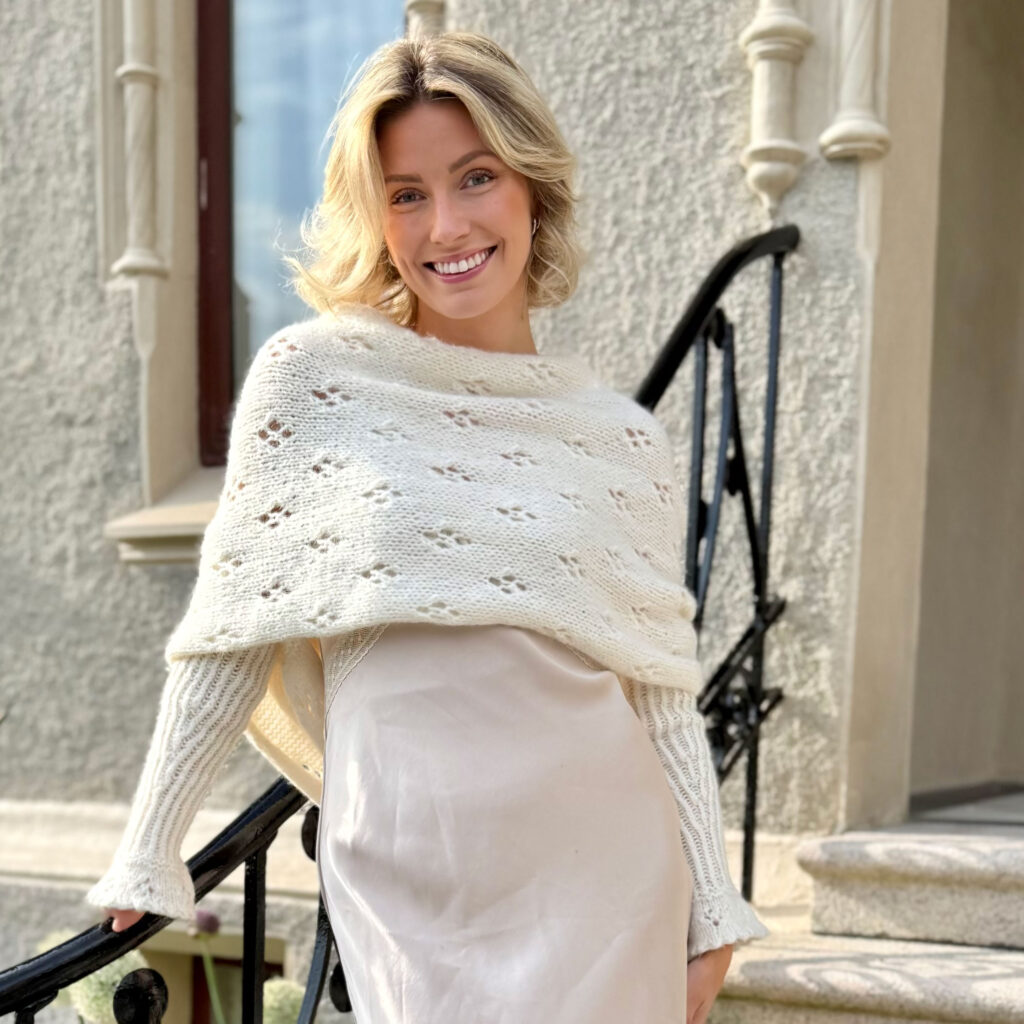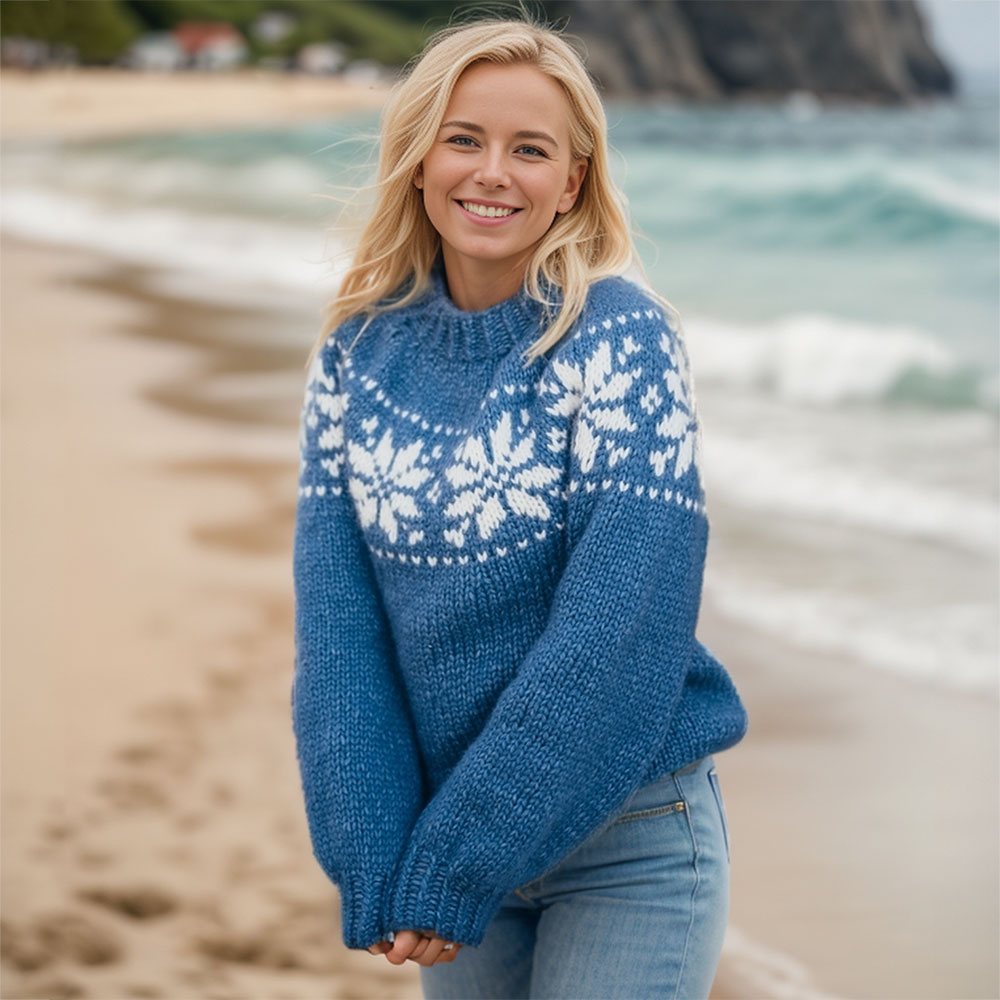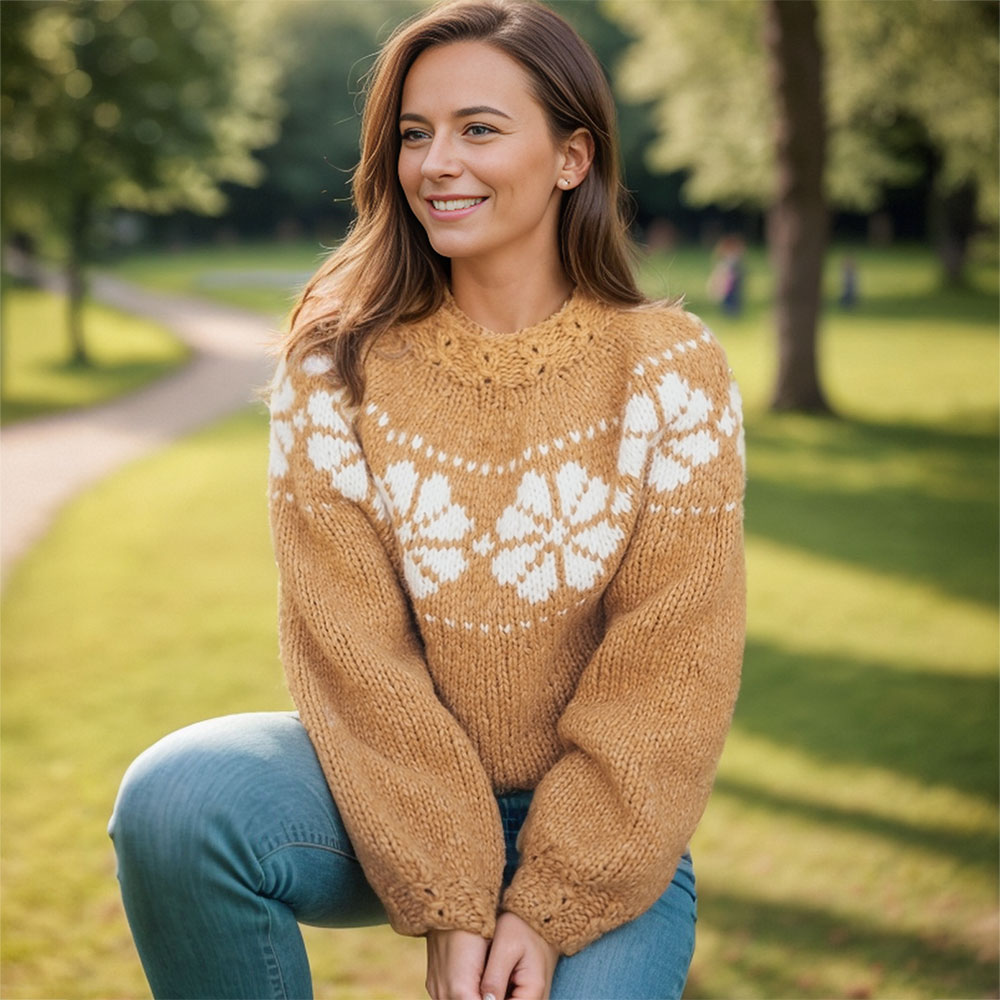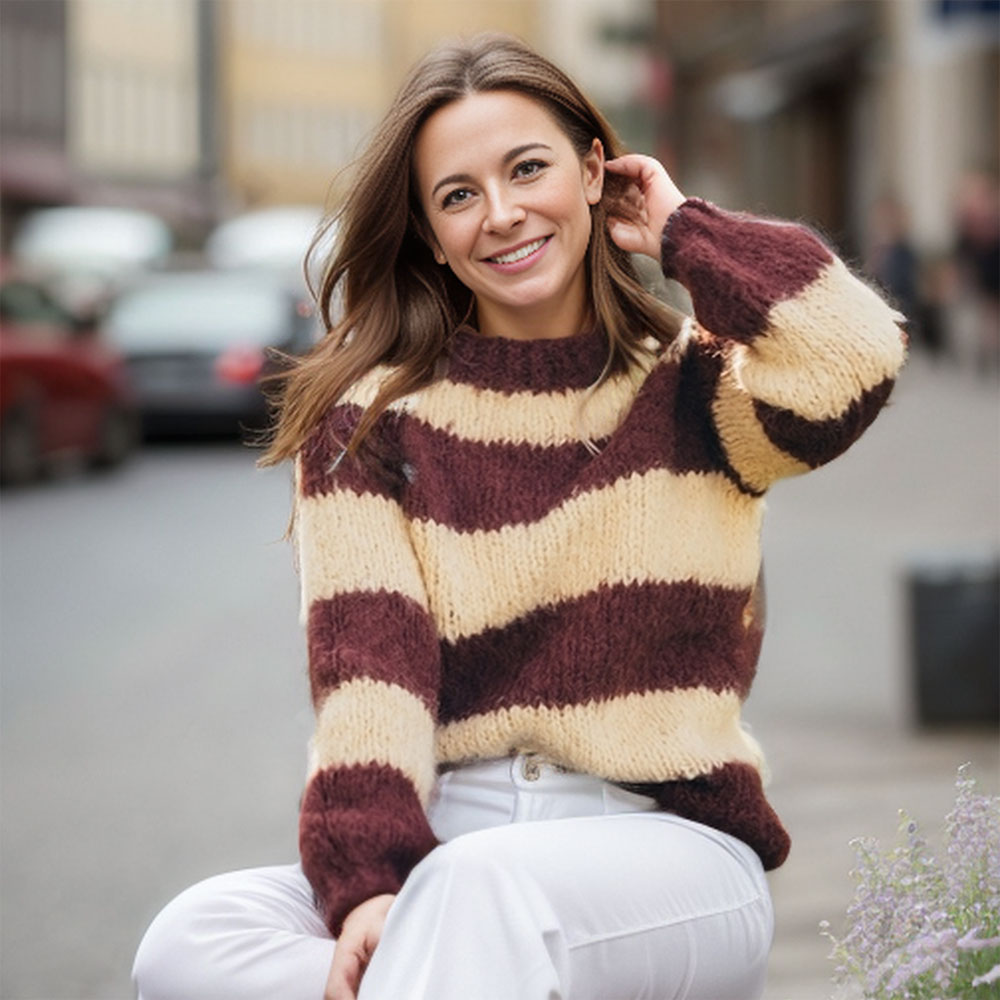
Why Knitters Reach for Chunky Yarn When They Want a Fast Sweater
If you have ever watched a sweater grow inch by inch on fine needles and wondered if there was a faster way, chunky yarn is your answer. Thicker yarn means fewer stitches and fewer rows to cover the same amount of body, so a project that might eat a whole season in fingering weight can realistically come together over a few cozy weekends in a heavier weight. This guide walks you through the real numbers behind that speed, which needle sizes actually pair with which yarns, and the honest trade-offs so you can decide if a chunky sweater is the right project for you.
Chunky, Bulky, and Super Bulky: What the Labels Actually Mean
Yarn labels can be confusing because "chunky" gets used loosely, but the Craft Yarn Council's standard yarn weight system gives us fixed categories to work from. Here is how the heavier end of the spectrum breaks down, along with the needle sizes each weight is designed to pair with.
Weight 5: Bulky (Sometimes Called Chunky)
- Gauge: roughly 12 to 15 stitches per 4 inches in stockinette
- Recommended needles: 5.5 mm to 8 mm (US 9 to 11)
- What it feels like: substantial but still flexible enough for cardigans, cowl necks, and structured sweaters with some shaping
Weight 6: Super Bulky
- Gauge: roughly 7 to 11 stitches per 4 inches
- Recommended needles: 8 mm to 12.75 mm (US 11 to 17)
- What it feels like: dramatic stitch definition, very fast to work up, best suited to simple, loose-fitting shapes
Weight 7: Jumbo
- Gauge: 6 stitches per 4 inches or fewer
- Recommended needles: 12.75 mm and up (US 17 and larger)
- What it feels like: more of a statement piece than an everyday sweater; stitches are large enough to see individually from across a room
A quick note on needle material: with anything from bulky up, many knitters prefer circular needles even when working flat, simply because the cable holds the weight of a heavy, wide sweater body far more comfortably than straight needles do.
Matching Needles and Yarn: A Practical Pairing Chart
Because pattern gauge always has the final say, treat the pairings below as a sensible starting point rather than a rule. Always knit a swatch before committing to a full sweater's worth of yarn.
| Yarn Weight | Typical Needle Size | Good For |
|---|---|---|
| Bulky (Weight 5) | 5.5–6.5 mm (US 9–10.5) | Fitted-ish pullovers, cardigans, textured stitch patterns like cables |
| Bulky (Weight 5) | 7–8 mm (US 10.5–11) | Looser, drapier pullovers with visible stitch definition |
| Super Bulky (Weight 6) | 8–10 mm (US 11–15) | Boxy pullovers, simple cardigans, quick-knit vests |
| Super Bulky (Weight 6) | 10–12.75 mm (US 15–17) | Oversized, blanket-like sweaters with minimal shaping |
| Jumbo (Weight 7) | 12.75 mm+ (US 17+) | Statement wraps, cropped sweaters, and simple boxy shapes |
If you are new to chunky knitting, start in the middle of a weight's needle range rather than at the extreme. A bulky yarn on the smallest recommended needle gives you a denser, more structured fabric that holds shaping better; the same yarn on the largest recommended needle produces a looser, more open fabric that drapes beautifully but shows less stitch detail.
How Much Faster (and How Much Yarn) Are We Really Talking About?
This is where chunky sweaters earn their reputation, and where the numbers are worth looking at honestly rather than just taking on faith.
Yardage: Fewer Yards, Not Necessarily Less Yarn by Weight
For a similarly sized adult pullover, published sweater-yardage guidelines suggest roughly:
- Worsted weight: about 1,100 to 1,700 yards depending on size and fit
- Bulky weight: about 1,000 to 1,500 yards for a comparable size
So yes, you will typically buy fewer yards of a bulky yarn to finish the same sweater. But because bulky and super bulky yarns are thicker, those fewer yards can weigh close to what a worsted-weight sweater's yarn weighs, or sometimes more, once you account for the density of fiber packed into a thick strand. In other words, don't assume a chunky sweater is automatically a cheaper or lighter project just because the yardage number on the label is smaller. Check the total grams or ounces required, not just yards, when comparing costs between weights.
Time: This Is Where the Real Payoff Shows Up
Time is the category where chunky yarn genuinely delivers. Because each stitch covers so much more ground, a simple bulky or super bulky sweater can realistically be finished in a fraction of the hours a worsted-weight version would take, with knitters commonly reporting rough ranges like:
- Worsted weight sweater: roughly 20 to 80 hours, depending on skill level and pattern complexity
- Super bulky sweater: roughly 10 to 20 hours for a simple design
That is a meaningful difference if you are knitting toward a deadline, working on a gift, or simply want to feel the satisfaction of a finished garment without a months-long commitment. Keep in mind these ranges assume a simple, lightly textured pattern; cables, colorwork, and complex shaping add hours regardless of yarn weight.
The Trade-Offs Nobody Puts on the Yarn Label
A fast, cozy sweater sounds like a win with no downside, but there are a few honest considerations worth thinking through before you cast on.
Chunky Sweaters Run Warm
The same thickness that makes chunky yarn quick to knit also makes it excellent insulation. A bulky or super bulky sweater is often too warm for anything but the coldest days or for layering over a lighter base, so it may not be the versatile, everyday piece you're picturing if you live somewhere with mild winters.
Fit and Silhouette Are More Limited
Fine-gauge knits can be shaped with precision, easing in waist shaping, subtle short rows, and gradual increases almost invisibly. Chunky yarn is less forgiving of fine shaping; a few stitches make a bigger visual jump, so chunky sweaters tend to look best in relaxed, boxy, or deliberately oversized silhouettes rather than closely fitted ones. If you love a tailored, close-to-body sweater, a chunky weight may leave you compromising on fit to gain speed.
Stitch Patterns Show Up Bigger, for Better or Worse
A simple cable or textured stitch becomes a bold design feature at a chunky gauge, which can look wonderful, but it also means small mistakes are much harder to hide. Swatch your stitch pattern before diving into the full sweater so you know how it reads at this scale.
Yarn Cost Per Sweater Isn't Always Lower
As noted above, don't assume chunky yarn is automatically the budget option. Compare total weight and price per skein, not just the number of skeins the pattern calls for, since bulkier strands pack more fiber into every yard.
Choosing the Right Combo for Your Next Project
If you want a quick, satisfying knit and you're comfortable with a relaxed, oversized fit, a bulky or super bulky yarn on the needle size in the middle of its recommended range is a great place to start. If you want something closer-fitting or with detailed shaping, consider working in a bulky weight on the smaller end of its needle range, or step down to worsted weight for more control. Either way, swatch first, weigh your yarn as well as counting yards, and pick your project based on how warm and how fitted you actually want the finished sweater to feel, not just how fast you can get there.